Lichen, Algae or Moss? Identifying What Is Growing on Your Birmingham Roof
Stand at the end of your drive and look up at the roof, and you might spot green fuzz along the ridge, dark stains running down the tiles, or pale crusty spots dotted across the surface. Most people lump all of it together as moss and leave it at that. In reality you could be looking at three quite different organisms, each behaving in its own way.
Knowing whether you are dealing with algae, moss or lichen is more than a curiosity. Each one takes hold for different reasons, affects your roof differently, and needs a considered approach to remove safely. This guide helps you tell them apart so you understand what is actually happening up there on your Birmingham roof.
The quick answer: Dark streaks and stains are usually algae, thick green cushions are moss, and flat, crusty patches in grey, green or yellow are lichen. All three thrive in Birmingham's damp, shaded conditions, and all three are best removed by soft washing with low-pressure water and biocide rather than aggressive scrubbing or high pressure.
1. Why your roof is such a welcoming home
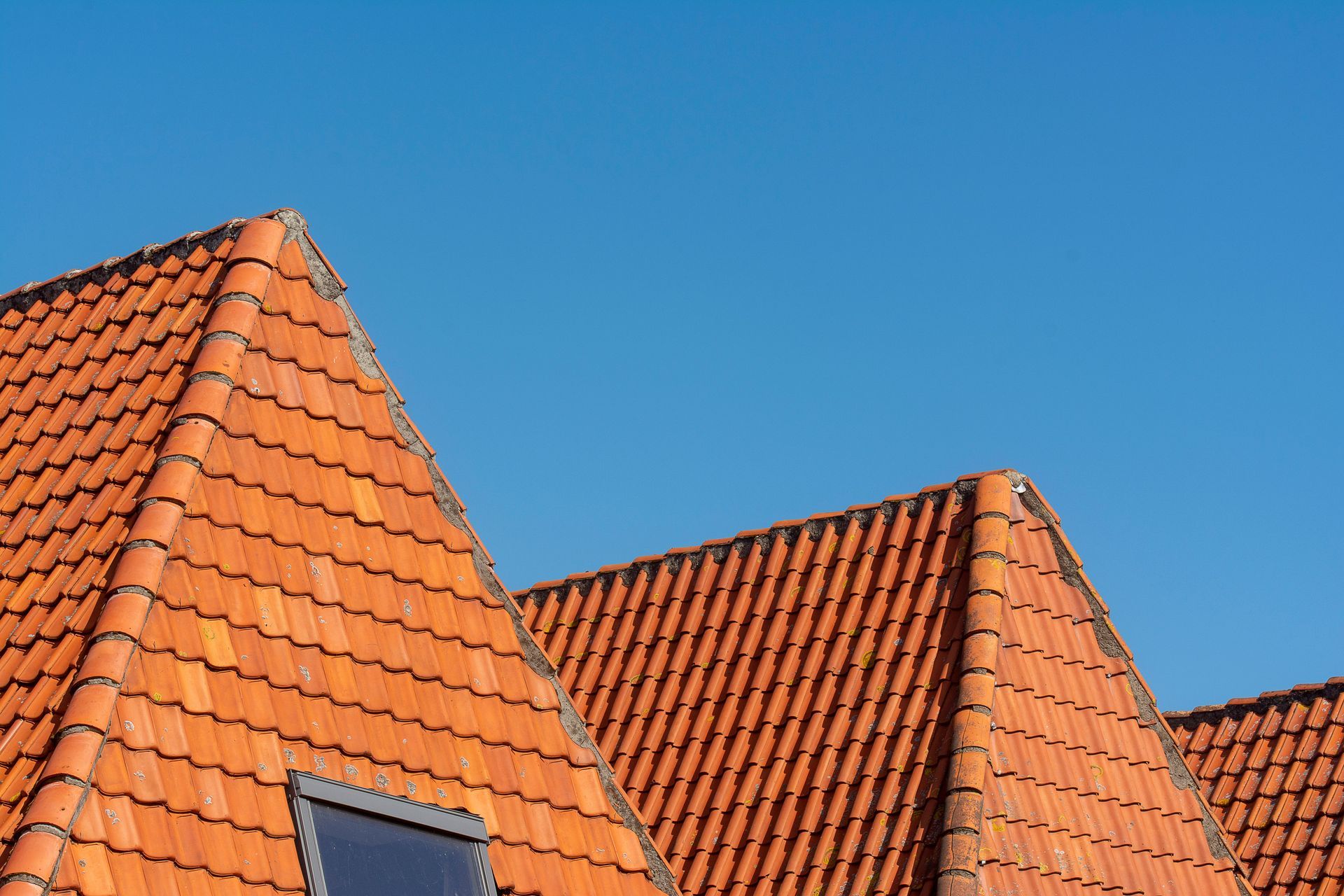
A roof might seem an unlikely place for anything to live, but it offers exactly what these organisms need. Moisture from Birmingham's regular rainfall, shade from the city's abundant trees, and a rough surface to cling to make tiles and slate surprisingly hospitable. North-facing slopes, which stay damp and shaded longest, tend to be the worst affected.
The West Midlands climate does the rest. Mild, wet winters and humid conditions keep roofs damp for long stretches, and that steady moisture is the single biggest factor in why local roofs green up so readily. Once you understand that, the growth stops being a mystery and starts making sense.
2. Algae, the dark streaks and stains
Algae is usually the first thing to appear and the easiest to overlook at first. It shows up as dark green or black streaks that run down the slope of the roof, often looking like dirty water stains. On the pale rendered gables and light tiles common across Birmingham's suburbs, these streaks can be particularly noticeable.
While algae is largely a surface issue and does not root into tiles the way moss does, it is far from harmless. It holds moisture against the surface, looks unsightly, and often paves the way for moss and lichen to follow. Have you noticed dark trails spreading from around a chimney or below a tree? That is algae getting comfortable, and it rarely improves on its own.
3. Moss, the thick green cushions
Moss is the growth most people picture, and it is hard to miss. It forms thick, spongy green cushions that gather along the ridges, in the gaps between tiles, and anywhere debris collects. In the leafier suburbs like Bournville and Selly Oak, where mature trees drop plenty of organic matter, moss can build up quickly.
Moss is the most physically damaging of the three because it holds a great deal of water and works its way into joints and overlaps. In winter that trapped water freezes and expands, which over time can lift tiles and wear at their surface. Clumps also break off and wash into gutters, causing blockages. This is the growth that most warrants prompt attention.
4. Lichen, the crusty patches
Lichen is the one people struggle to name. It appears as flat, crusty patches in shades of grey, pale green, white or mustard yellow, often looking almost painted onto the tile. Unlike moss, it clings tightly and flat rather than forming a cushion, which makes it stubborn to shift.
Lichen is remarkably tenacious and roots firmly into the surface texture of tiles, so it should never be scraped off aggressively, as that risks damaging the tile itself. Interestingly, lichen tends to favour cleaner air, so its presence is not necessarily a sign of neglect. It does, however, need the gentle, patient approach that soft washing provides.
5. Why it helps to know which is which
Identifying the growth matters because it tells you how urgent the situation is and how it should be handled. Heavy moss holding water through a Midlands winter is a more pressing concern than a light algae stain, while lichen calls for particular care so the tile beneath is not harmed during removal.
It also helps you judge whether someone offering to clean your roof knows their trade. A crew that reaches for a pressure washer to blast lichen off delicate tiles is likely to do more harm than good. Understanding the difference puts you in a stronger position to choose the right treatment and the right people.
6. How soft washing tackles all three
The reason soft washing suits Birmingham roofs so well is that it deals with algae, moss and lichen without the risks of high pressure. Low-pressure water lifts the growth gently, and the biocide treatment gets to work on what remains, killing off spores and slowing regrowth across all three types.
This gentle method protects the huge variety of roof coverings found across the city, from fragile Victorian slate to weathered clay and robust concrete tiles. Rather than blasting the surface and risking cracked or dislodged tiles, soft washing cleans thoroughly while treating the roof with the care an older covering deserves.
- Algae: dark green or black streaks running down the slope, mostly a surface issue.
- Moss: thick green cushions on ridges and gaps, the most physically damaging.
- Lichen: flat crusty patches in grey, green or yellow that cling tightly to tiles.
- All three: best removed by gentle soft washing, never aggressive high pressure.
Frequently Asked Questions
Is moss worse than algae for my roof?
Generally, yes. Moss holds far more water and works into the gaps between tiles, so it does more physical harm over time, whereas algae is mainly a surface stain, though it still holds moisture and looks poor.
Can I just scrape lichen off myself?
It is best not to. Lichen roots tightly into the tile surface, and scraping it can damage the tile. A gentle soft wash with biocide is a far safer way to deal with it.
Does lichen mean my roof is neglected?
Not necessarily. Lichen actually favours cleaner air and can appear on well-kept roofs, but like moss and algae it holds moisture and is worth removing carefully.
Why does one side of my roof have more growth?
North-facing slopes stay damp and shaded for longer, which is exactly what moss, algae and lichen need, so that side almost always shows heavier growth.
Will the growth come back after cleaning?
Some regrowth is natural in a damp, leafy city like Birmingham, but a proper biocide treatment slows it considerably, and occasional upkeep keeps the roof looking its best.
Not sure what is growing on your roof?
Ben's Roof Cleaning brings over 15 years of experience in safe, effective roof cleaning across Birmingham and the surrounding area. Get in touch or call 0121 661 8260
for a free, no-obligation quote.
Knowing the culprit is the first step to a clean roof
Whether it is streaky algae, cushioned moss or crusty lichen, each growth tells you something about your roof and how it should be treated. Once you can spot the difference, you are far better placed to act before it takes a toll, and a careful soft wash will send all three on their way while keeping your Birmingham roof intact.