From Victorian Terraces to Interwar Semis: Caring for Birmingham's Many Roofs
Few cities have as varied a housing stock as Birmingham. Its long history of growth, from the Victorian workshops of the industrial age through the great interwar expansion to the modern estates of today, has left a remarkable mix of homes and, above them, a remarkable mix of roofs. Victorian slate, interwar clay and concrete tiles, and the modern coverings of newer builds all sit side by side across the city, and knowing which kind you have makes a real difference to how it should be cared for.
This guide walks through the main roof types you will find across Birmingham, how each behaves in the local climate, and why matching the cleaning method to the material matters so much. A little understanding goes a long way towards protecting one of the most valuable parts of your home.
The quick answer: Birmingham roofs range from natural slate on Victorian terraces to clay and concrete tiles on interwar semis and modern estates. Older materials are more delicate and need gentler care, but all roof types are best cleaned with a low-pressure soft wash, which removes moss and algae without the damage high pressure can cause.
1. The Victorian terraces
Birmingham's rapid growth in the nineteenth century filled the inner suburbs with rows of Victorian terraces, and many of these homes remain, their character still shaping whole neighbourhoods. These older houses typically carry roofs of natural slate, long the traditional roofing material, valued for its durability and handsome appearance. A well-kept slate roof can last for a very long time, which is why so many of these historic homes still wear their original coverings.
These roofs are part of the character of Birmingham's older streets, and they deserve care that respects both their age and their appearance. Slate needs a gentle hand, and treating it well preserves not just the individual home but the heritage character that gives these terraces their charm. Harsh treatment that would damage the slate takes away from the very appeal that makes these homes special.
2. Why slate needs a gentle approach
Natural slate is durable in the sense that it lasts for decades, but it is not indestructible. Slates can be brittle, and older ones in particular can be fragile, so they are easily cracked or broken by rough handling or the force of a pressure washer. The fixings that hold slates in place can also weaken with age, so slates may slip if disturbed. All of this means a slate roof has to be treated with real care.
This is why high-pressure cleaning is completely unsuitable for slate. The force can crack the slates, break them loose from their fixings and drive water underneath, turning a cleaning job into an expensive repair. A gentle, low-pressure approach is the only safe way to clean a slate roof, removing the growth without putting the slates themselves at risk. On Birmingham's period terraces, this careful approach is essential.
3. Interwar and modern tiles
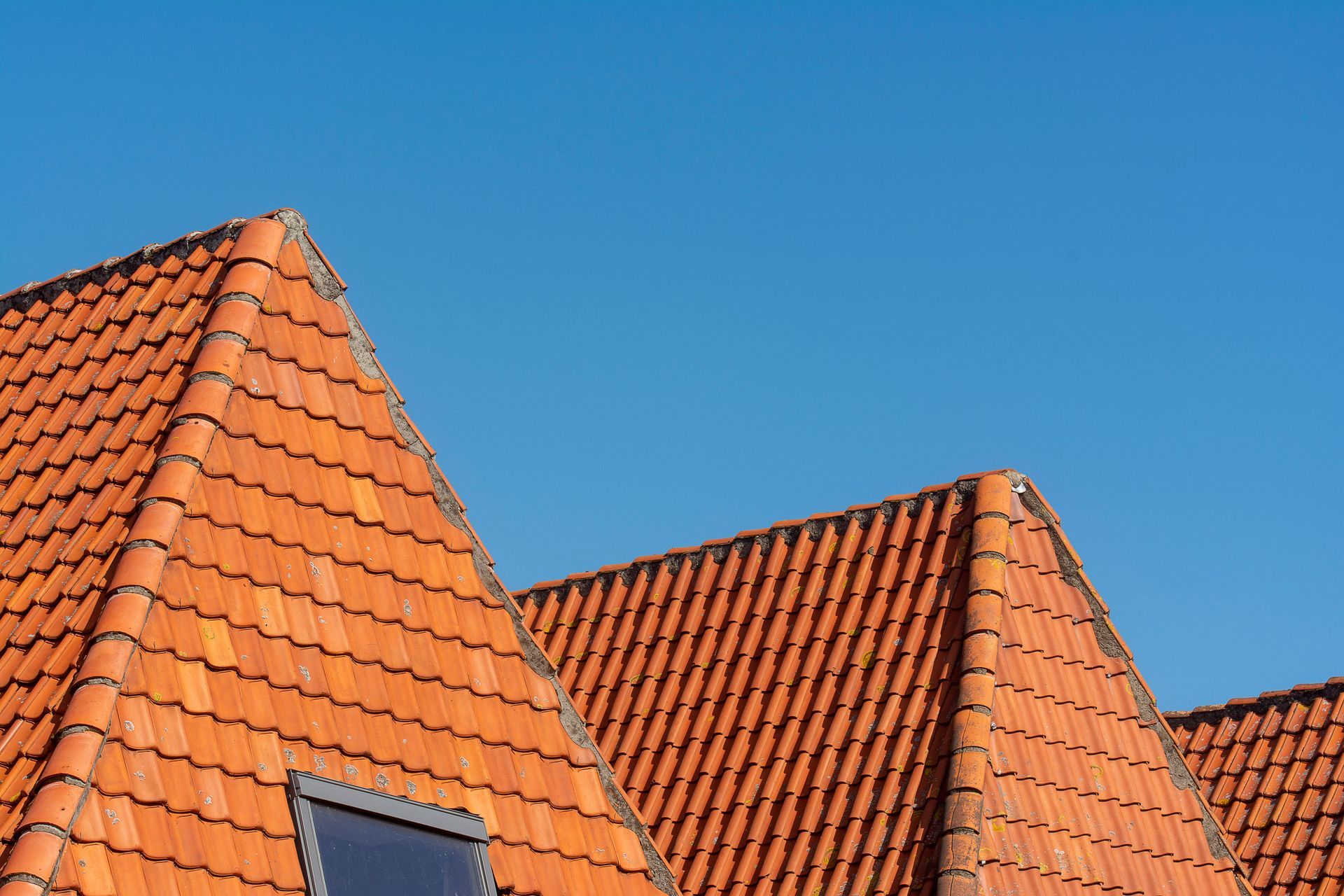
Birmingham's enormous interwar expansion added mile after mile of semi-detached homes, and the newer estates have continued that growth. These homes are mostly roofed in clay or concrete tiles, robust and hard-wearing coverings designed to cope with the British climate and less delicate than natural slate. That does not mean they are immune to problems, though. Concrete tiles in particular have a surface finish that can be worn away over time, and once that happens they become more porous and more prone to moss.
This is why even modern tiles should not be pressure washed. A high-pressure jet can strip that protective surface, leaving the tiles rougher, more absorbent and quicker to grow moss in future, so a cleaning that seems effective in the short term actually shortens the tiles' life. A gentle soft wash cleans clay and concrete tiles thoroughly while preserving their surface, which keeps them performing as they should for longer.
4. How the local climate affects every roof
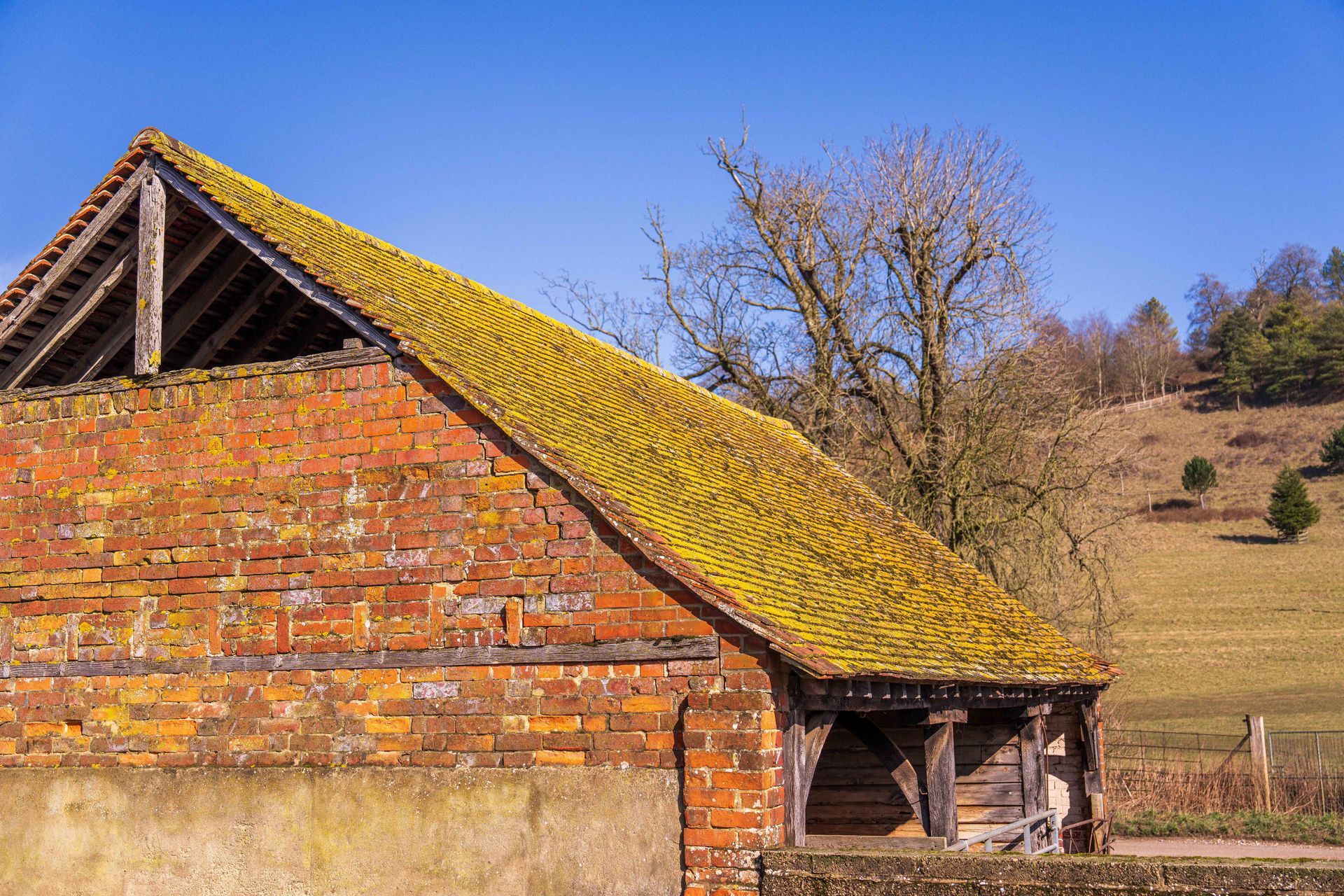
Whatever your roof is made of, Birmingham's damp climate and leafy suburbs encourage moss, algae and lichen to grow. The mild, moist conditions keep roofs wet for much of the year, and every kind of covering, from slate to concrete, provides a surface for growth to take hold. The shaded, north-facing slopes are always the worst affected, whether on a Victorian terrace or a modern estate.
The difference between materials lies not in whether they grow moss but in how they must be cleaned. A porous older slate holds moisture and grows moss readily, and it needs careful treatment; a modern concrete tile is tougher but still benefits from gentle cleaning that protects its surface. Understanding your roof means understanding both how it grows moss and how it should be cleaned safely.
5. Why soft washing suits every roof in Birmingham
The great advantage of soft washing is that it is the right method for every kind of roof in the city. By using low-pressure water combined with a biocide treatment, it removes moss, algae and lichen thoroughly without any of the force that damages delicate slate or the surface of concrete tiles. It is gentle enough for the most fragile Victorian roof and effective enough for the toughest modern one.
The treatment also does something a simple clean cannot: it keeps working after the visible growth is gone, discouraging regrowth and keeping the roof clearer for longer. Whatever your roof is made of, soft washing cleans it safely and protects it, which is exactly what you want from a method applied to such an important and valuable part of your home.
6. Getting the right advice for your roof
Because Birmingham's roofs vary so much, the best first step is always a proper assessment by someone who can identify what your roof is made of and what condition it is in. A knowledgeable professional will recognise slate, clay or concrete, spot any fragile or damaged areas, and match the cleaning approach to the material and its state. This is far safer than assuming one method suits everything.
Whether your Birmingham home is a Victorian terrace, an interwar semi or a house on a modern estate, treating its roof according to its material keeps it clean, sound and looking its best. The right knowledge, combined with the gentle soft-wash method, protects your roof and preserves both its function and its appearance for the long term.
- Know your material: Birmingham roofs range from Victorian slate to interwar and modern clay and concrete tiles.
- Slate is delicate: the Victorian terraces need a genuinely gentle approach.
- Concrete is tough but not immune: pressure washing strips its surface and speeds up moss growth.
- Every roof grows moss here: the damp, leafy climate affects all materials, so all need cleaning.
- Soft washing suits all: it cleans every material safely and protects it against regrowth.
Frequently Asked Questions
How do I know what my roof is made of?
Older Birmingham homes, especially the Victorian terraces, often have natural slate, while interwar semis and newer estates usually have clay or concrete tiles. A professional can identify the material and its condition on sight, which matters because different materials need different care.
Does the type of roof change how it should be cleaned?
Yes. Delicate slate needs a very gentle approach, and even robust concrete tiles can have their protective surface damaged by high pressure. A low-pressure soft wash is safe for all of them, which is why it is the recommended method whatever your roof is made of.
Are the Victorian terraces harder to clean?
They need more care because slate is delicate and older, but they clean beautifully with the right gentle method. A low-pressure soft wash removes moss and algae from slate safely, and a professional who understands period roofs will treat them appropriately.
Are modern concrete tiles safe to pressure wash?
No. Although concrete tiles are tougher than slate, a high-pressure jet can strip their surface finish, leaving them more porous and quicker to grow moss. A soft wash cleans them thoroughly while preserving that surface, so they last longer.
Why does my roof grow so much moss whatever it is made of?
Birmingham's damp climate and leafy suburbs encourage moss on every kind of roof. The material affects how the roof should be cleaned, not whether it grows moss. All roofs here benefit from periodic gentle cleaning and treatment to keep growth under control.
Not sure what your Birmingham roof needs?
At Ben's Roof Cleaning we identify your roof's material and condition and clean it with the safe, low-pressure soft-wash method that suits it, whether it is Victorian slate or modern tiles. With over 15 years of experience, we treat every roof the right way. Get in touch or call 0121 661 8260
for a free, no-obligation quote.
Know your roof, and you can protect it
The variety of roofs across Birmingham, from Victorian slate to sturdy modern tiles, is part of what gives the city its character. Each has its own needs, but all share one thing: they are best cleaned gently, with a method matched to the material. Understand what is over your head, treat it accordingly, and your roof will keep protecting your home and looking its best for many years to come.